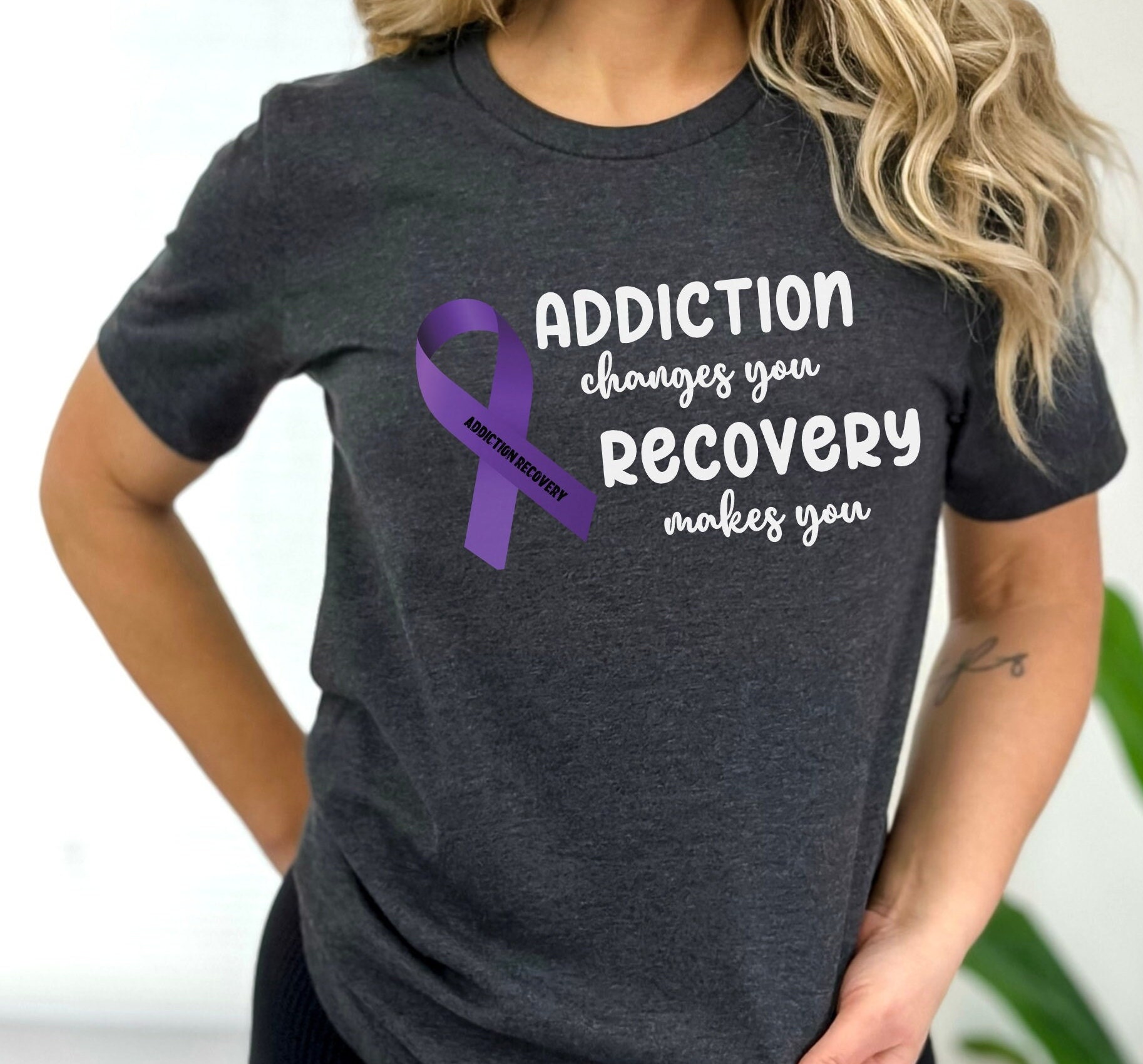
A custom T-shirt can be more than a piece of clothing. It can communicate compassion, challenge harmful stereotypes, and remind someone struggling with addiction or mental health concerns that support is available. When a shirt carries a thoughtful message about recovery, it can help bring important conversations into everyday life. For individuals, families, and communities, cause-based T-shirts offer a practical way to show support, raise awareness, and encourage a more understanding approach to mental health and addiction recovery.
Although clothing cannot replace professional treatment, visible messages of hope can help reduce the shame that sometimes prevents people from asking for help. When awareness is paired with accurate information and meaningful action, a simple design can contribute to a culture where people feel respected rather than judged.
Why Mental Health and Addiction Awareness Matter
Mental health challenges and substance use disorders affect people from many backgrounds. They can influence relationships, employment, physical health, and a person’s sense of identity. Yet misconceptions about these conditions remain common.
Some people believe addiction is simply a lack of willpower. Others assume that mental health struggles should be handled privately or that seeking therapy reflects weakness. These attitudes can make it difficult for someone to acknowledge a problem, talk with loved ones, or explore treatment options.
Custom cause T-shirts can help challenge these beliefs by making supportive messages visible in public spaces. A shirt that promotes mental wellness or celebrates recovery can encourage people to think differently about the challenges others face.
Making Recovery Easier to Talk About
Starting a conversation about addiction can feel intimidating. Someone may worry that friends will judge them, family members will react negatively, or coworkers will treat them differently. As a result, they may conceal their struggles even when they need support.
A message such as “Recovery Is Possible” or “Compassion Starts Here” can create an opening for a conversation without requiring anyone to reveal private information. These messages also remind observers that addiction recovery is a real health journey, not a character flaw.
However, awareness should always respect personal boundaries. Not everyone wants to discuss their experiences publicly, and no one should feel pressured to share a personal story. A supportive message is most effective when it invites understanding rather than demanding disclosure.
Challenging Stigma Through Everyday Visibility
Stigma often grows when people have limited information about addiction and mental health conditions. Everyday exposure to respectful, recovery-focused messages can help challenge assumptions and encourage more thoughtful conversations.
For example, a community group could wear matching T-shirts during a mental health awareness event. A recovery organization might create shirts that celebrate progress and encourage people to seek support. Families could also use cause-based apparel to show solidarity with loved ones while protecting their privacy.
These efforts may seem small, but they can contribute to a broader shift in attitudes when they are backed by education, empathy, and access to appropriate resources.
How Custom Cause T-Shirts Turn Values Into Action
A cause-based T-shirt communicates a message wherever someone wears it. Its value comes not only from the words or design, but also from the conversations and actions it encourages.
Choose Messages That Offer Hope and Understanding
The strongest awareness messages are clear, respectful, and easy to remember. They communicate support without making unrealistic promises about recovery.
Consider these message ideas for custom T-shirts:
- “Mental Health Matters Every Day”
- “Recovery Deserves Compassion”
- “Hope Begins With Support”
- “Every Person Has a Story”
- “Choose Understanding Over Judgment”
Each phrase emphasizes dignity and connection. They avoid defining people by their struggles and instead recognize that everyone deserves an opportunity to receive care.
When designing a shirt, consider the audience and purpose. A campaign for families might focus on understanding and support. A recovery community may prefer messages about perseverance, belonging, and personal growth. A workplace initiative could emphasize emotional wellbeing and the importance of seeking help early.
Pair Awareness With Useful Information
A slogan can attract attention, but practical information helps people take the next step. If you are organizing a T-shirt campaign, consider pairing the design with educational materials or links to reputable mental health and addiction resources.
For instance, a community event could share information about counseling, support groups, treatment programs, or crisis services. A fundraising campaign could explain how proceeds support a recovery organization or mental health initiative.
Make sure any information you share is accurate and current. Avoid promising that a particular treatment approach works for everyone. People have different needs, and qualified professionals can help them understand the options available.
Connecting Awareness With Addiction Recovery Services
Raising awareness is important, but people experiencing addiction may also need structured treatment and ongoing support. Cause-based apparel can help normalize the idea of seeking care, while education can clarify what that care may involve.
Recovery often requires attention to physical health, emotional wellbeing, relationships, and the circumstances that contribute to substance use. The right treatment plan depends on the individual’s situation, health needs, and goals.
Understanding Inpatient and Outpatient Care
Inpatient treatment offers a structured setting for people who need intensive support. Depending on the program, services may include clinical assessment, therapy, recovery education, and planning for continued care.
Outpatient treatment allows people to attend scheduled appointments while maintaining many daily responsibilities. It may include individual counseling, group therapy, medication management when appropriate, and relapse prevention support.
Some people also need medically supervised withdrawal management before beginning ongoing treatment. Withdrawal can be dangerous for certain substances, so professional medical guidance is important when physical dependence is possible.
There is no single treatment path that suits everyone. A qualified provider can help determine which services are appropriate and whether the plan should change as recovery progresses.
Supporting Mental Health Alongside Addiction Treatment
Addiction and mental health concerns can occur together. Someone experiencing substance use problems may also be dealing with anxiety, depression, trauma, grief, or persistent stress. When these concerns are not addressed, they can complicate recovery.
Integrated care considers both substance use and mental health needs. Depending on the individual, treatment may include therapy, medical support, recovery education, and ongoing follow-up.
Cause-based T-shirts can reinforce this important message by showing that mental health deserves attention as part of the recovery process. They can also encourage families to approach their loved ones with patience rather than blame.
Why Individualized and Holistic Approaches Matter
Recovery is personal. People bring different histories, strengths, beliefs, responsibilities, and support systems to treatment. Effective care should recognize those differences rather than assume everyone needs the same approach.
Individualized treatment can help people identify goals and choose services that fit their circumstances. It may also address practical concerns such as housing, family relationships, work responsibilities, and continuing support after a formal program ends.
Holistic approaches may complement clinical treatment by helping people develop healthier routines and ways to manage stress. Depending on the program and the person’s preferences, supportive practices may include physical activity, mindfulness, creative expression, nutrition education, and other activities that promote overall wellbeing.
For people who value spirituality, faith-based support can provide a sense of purpose, connection, and encouragement. These resources should respect individual beliefs and complement appropriate clinical care rather than replace necessary medical or psychological treatment.
Show That Recovery Is About More Than Substance Use
Recovery often involves rebuilding confidence, restoring relationships, learning coping skills, and discovering healthier ways to respond to difficult emotions. Progress may take time, and setbacks do not mean a person has lost the right to support.
Messages on custom T-shirts can reflect this wider understanding. Rather than focusing only on the end result, campaigns can celebrate courage, patience, and the decision to seek help.
This approach helps create a more realistic and compassionate picture of recovery. It recognizes that people are more than their diagnoses or past experiences.
Designing Cause T-Shirts With Compassion and Purpose
A meaningful design begins with an understanding of the people it represents. Whether you are creating apparel for a fundraiser, an awareness campaign, or a recovery community, the message should reflect respect and authenticity.
Use Inclusive, Respectful Language
Avoid slogans that shame people, suggest addiction is a moral failure, or imply that recovery should happen quickly. These messages can reinforce stigma instead of reducing it.
Whenever possible, invite people with lived experience to review the design. Their feedback can help ensure that the wording feels supportive and avoids harmful assumptions.
Simple typography and clear wording often make a message easier to read. Colors and illustrations can reinforce the theme, but the design should not distract from the central idea.
Give People a Clear Way to Get Involved
A campaign can encourage people to take meaningful action beyond wearing a shirt. Consider including information about an upcoming educational event, a community fundraiser, a support organization, or available treatment resources.
You might also use custom apparel to recognize recovery milestones, promote mental health education, or bring together people who want to reduce stigma. These activities can help turn a visible message into an opportunity for connection.
Above all, make participation voluntary. People should be free to support a cause without disclosing personal experiences or explaining why the issue matters to them.
Conclusion: Wear Your Values and Help Make Support Visible
Custom cause T-shirts can help raise awareness for mental health and addiction recovery by making compassion visible in everyday life. They can challenge stereotypes, encourage honest conversations, and remind people that seeking help is a worthwhile step toward a healthier future.
Still, the real impact comes when awareness leads to action. Communities can make a difference by sharing reliable information, listening without judgment, supporting families, and helping people connect with appropriate care.
If you or someone you love is struggling with addiction or mental health concerns, consider reaching out to a qualified healthcare professional or addiction treatment provider. Inpatient treatment, outpatient counseling, individualized care, and supportive holistic or faith-based resources may all have a role, depending on personal needs.
You do not have to solve everything at once. Start with a conversation, ask about available options, and take the next step toward support. A T-shirt can help communicate that recovery matters, but compassion, professional care, and consistent encouragement are what help people move forward.
0 Comments