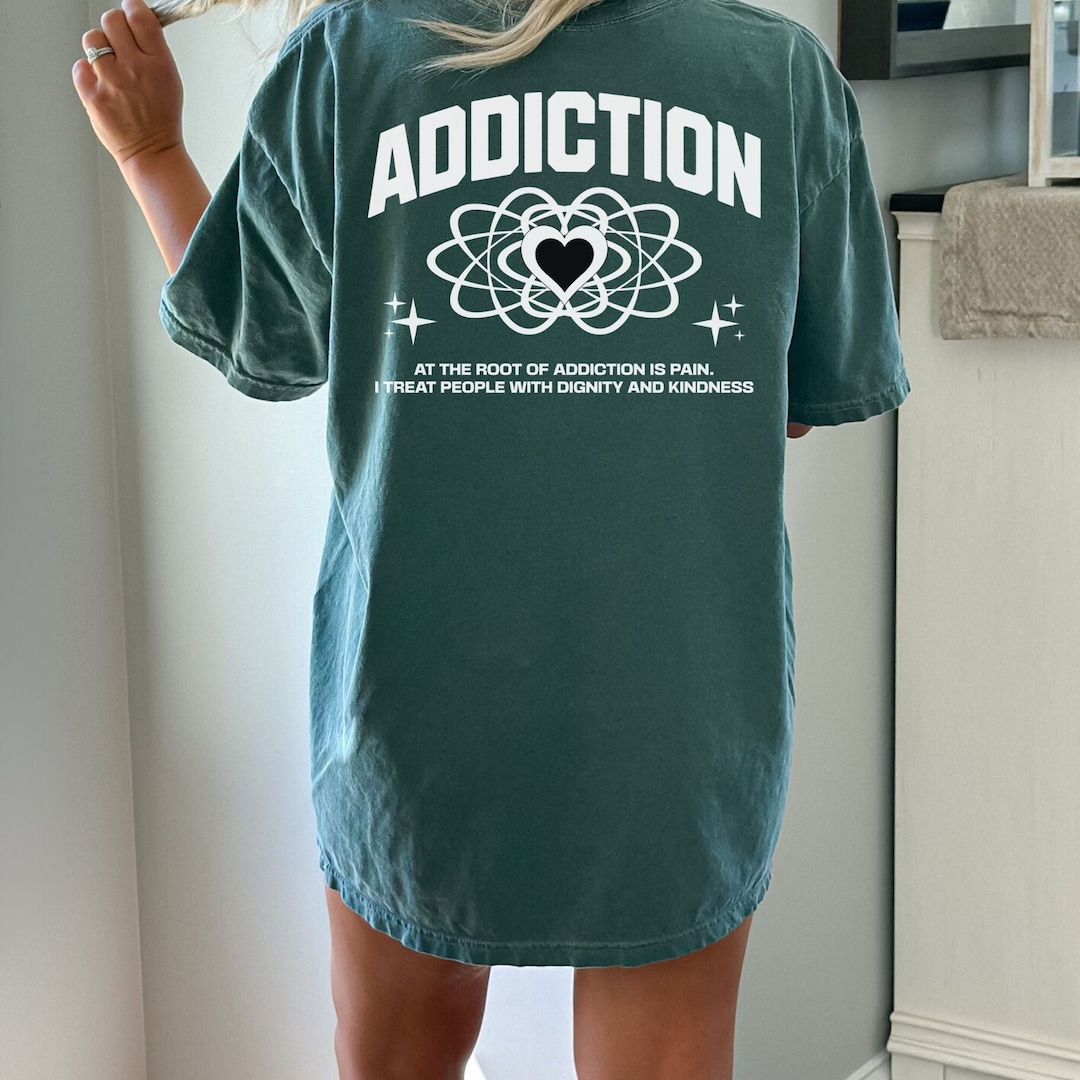
Recovery often begins with a story that someone has struggled to tell. A person may be living with addiction, managing a mental health condition, or supporting a loved one through a difficult period, yet remain silent because they fear judgment. Cause-based T-shirts offer one way to make these experiences more visible. With thoughtful words, meaningful designs, and messages of hope, custom apparel can encourage conversations about recovery, challenge harmful stereotypes, and remind people that they do not have to face their struggles alone.
Although a T-shirt cannot replace professional treatment, it can help create a more supportive environment for people seeking help. When personal experiences become part of a broader conversation, communities have an opportunity to replace shame with understanding and connect people with the resources they need.
Why Personal Stories Matter in Addiction Recovery
Addiction is a complex health condition that can affect physical wellbeing, emotional health, relationships, and everyday responsibilities. However, people experiencing substance use challenges are often judged by their circumstances rather than understood as individuals who may need professional care.
Personal stories can help change that perspective. When people share their experiences voluntarily, they can show that recovery is not defined by a single event, diagnosis, or setback. It is an individual process that may involve treatment, support, personal growth, and ongoing care.
Sharing Experiences Can Reduce Stigma
Stigma can make it harder for people to acknowledge a problem or ask for help. Someone may worry about losing a relationship, damaging their professional reputation, or disappointing their family. These fears can delay important conversations with healthcare professionals and loved ones.
Cause-based T-shirts can introduce positive messages into everyday settings. A design that says “Recovery Is Possible” or “Support Without Judgment” can challenge assumptions and encourage people to approach addiction with greater compassion.
These messages are most effective when they are supported by respectful behavior. Listening without judgment, avoiding hurtful labels, and recognizing that addiction is a health issue can help make recovery conversations safer and more productive.
Let People Decide How Much They Want to Share
Not everyone wants to make their recovery journey public, and that choice deserves respect. Some individuals find strength in openly discussing their experiences. Others prefer to protect their privacy while focusing on treatment and rebuilding their lives.
Cause-based apparel can support both groups. A person can wear a general message about mental health awareness or recovery without revealing personal details. Meanwhile, someone who chooses to share their story can use a custom design to communicate a message that reflects their experience.
The important principle is consent. No one should feel pressured to disclose personal information to prove their commitment to recovery or support a cause.
How Cause-Based T-Shirts Turn Awareness Into Conversation
Clothing is a familiar part of everyday life, which makes a T-shirt an accessible way to communicate a message. Unlike a formal presentation or awareness event, a shirt can carry a message into workplaces, community gatherings, schools, and public spaces.
When the message is clear and respectful, it may encourage someone to ask a question, learn more about addiction, or reconsider an assumption they have held for years.
Use Simple Messages That Invite Understanding
A strong design does not need a long explanation. Short phrases can communicate support while leaving room for a genuine conversation.
Consider messages such as:
- “Every Recovery Journey Matters”
- “Mental Health Deserves Care”
- “Choose Compassion Over Judgment”
- “You Are Not Alone”
- “Hope Grows With Support”
These phrases focus on dignity, connection, and encouragement. They avoid blaming people for their struggles or suggesting that recovery is always quick and straightforward.
If you are creating custom T-shirts for a campaign, think about the conversation you want to encourage. A message aimed at families may emphasize understanding and support. A design for a recovery community might celebrate progress, belonging, and perseverance.
Make Room for Honest Conversations
When someone asks about a cause-based T-shirt, the response can be an opportunity to share accurate information. You might explain why mental health awareness matters, discuss the importance of accessible addiction treatment, or point someone toward a trusted support organization.
However, a conversation should never become an interrogation. If someone appears uncomfortable, respect their boundaries. The goal is to create opportunities for connection, not to pressure people into sharing personal experiences.
Connecting Public Support With Professional Treatment
Awareness can help people recognize that support exists, but recovery often requires more than encouragement from friends or a positive message on clothing. Professional assessment and individualized care can help people understand their options and identify appropriate next steps.
Addiction and mental health challenges can occur together. For example, a person may experience anxiety, depression, trauma-related symptoms, or persistent stress alongside substance use. Addressing these concerns together can be important when planning effective care.
Understanding Inpatient and Outpatient Treatment
Treatment options vary according to a person’s needs, health, circumstances, and level of support.
Inpatient treatment provides a structured setting for people who need intensive care and supervision. Depending on the program, treatment may include clinical assessment, therapy, recovery education, and planning for continued support.
Outpatient treatment allows people to attend scheduled treatment sessions while continuing with many everyday responsibilities. Services may include individual counseling, group therapy, medication management when appropriate, and relapse prevention planning.
Some people need medically supervised withdrawal management before beginning ongoing treatment. Because withdrawal can be dangerous for certain substances, professional medical guidance is especially important when physical dependence is present.
There is no single treatment path that works for everyone. A qualified provider can help determine which options are appropriate and how care may change as recovery progresses.
Recognizing the Value of Individualized and Holistic Care
Recovery involves more than addressing substance use alone. People may also need help rebuilding relationships, developing healthier routines, managing stress, and finding purpose in daily life.
Individualized treatment takes these differences into account. Holistic approaches may include mindfulness, physical activity, nutrition education, creative activities, and other supportive practices alongside evidence-based treatment.
For people who value spirituality, faith-based support may offer encouragement, community, and a sense of meaning. These resources can complement clinical care while respecting the person’s beliefs and preferences.
Cause-based T-shirts can reinforce this whole-person perspective. Messages that recognize courage, connection, and personal growth help communicate that recovery is not simply about avoiding substances. It is also about building a healthier and more fulfilling life.
Creating Cause-Based T-Shirts With Purpose
A meaningful T-shirt campaign begins with a clear purpose. Whether you are supporting a recovery organization, raising awareness about mental health, or encouraging community involvement, your design should reflect the people and experiences behind the cause.
Choose Language That Protects Dignity
Words can either reinforce stigma or help dismantle it. Avoid phrases that mock addiction, reduce people to a diagnosis, or imply that a setback means someone has failed.
Instead, use language that recognizes people’s humanity and potential. Recovery messages should be honest about the challenges involved while still communicating that help and hope are possible.
If a campaign draws on lived experiences, consider inviting people with relevant experience to review the wording. Their feedback can help identify language that feels authentic and respectful.
Pair the Message With Practical Resources
A T-shirt campaign becomes more useful when it provides a clear way for people to take action. Depending on the campaign, this might include sharing information about counseling services, listing reputable support organizations, promoting an educational event, or directing people toward treatment resources.
You can also use custom apparel for community walks, recovery celebrations, fundraising events, or mental health awareness activities. These settings can help people connect with others who care about the same issues.
Be clear about how fundraising proceeds will be used, and make sure any treatment information is accurate. Trust is essential when communicating about sensitive health concerns.
Supporting Loved Ones Without Taking Away Their Choices
Families and friends often want to help someone experiencing addiction, but they may not know what to say or do. They might worry about encouraging harmful behavior, setting boundaries, or responding when a loved one refuses treatment.
A supportive approach combines compassion with clear limits. Listen carefully, express concern without insults or threats, and encourage professional guidance when appropriate. Family counseling or education can also help loved ones understand addiction and develop healthier ways to communicate.
Cause-based T-shirts may help signal that a person or community supports recovery, but meaningful support is demonstrated through everyday actions. That can include offering to help research treatment options, accompanying someone to an appointment if invited, or checking in without demanding immediate progress.
Remember that you cannot control another person’s recovery. You can offer encouragement, protect your own wellbeing, and help make appropriate resources easier to access.
From a Personal Message to Lasting Social Change
Breaking the silence around recovery takes more than one shirt, one conversation, or one awareness event. Lasting change develops when communities consistently challenge stigma, make reliable information available, and treat people experiencing addiction or mental health difficulties with respect.
Cause-based T-shirts can be a starting point. They can make a message visible, help people find common ground, and remind individuals that support is available. Their impact grows when the message leads to informed conversations, community involvement, and access to appropriate care.
Most importantly, public awareness should make it easier for people to seek help on their own terms. No one should have to share a painful story publicly before receiving compassion or treatment.
Conclusion: Let Your Message Open the Door to Support
Cause-based T-shirts can transform personal values into visible support for mental health, addiction recovery, and social change. By sharing thoughtful messages, respecting personal boundaries, and encouraging honest conversations, individuals and organizations can help create communities where recovery is met with understanding rather than judgment.
Yet the most powerful message is one backed by action. If you or someone you care about is struggling with substance use or emotional distress, consider speaking with a qualified healthcare professional or addiction treatment provider. Inpatient care, outpatient counseling, individualized treatment, and supportive holistic or faith-based resources may all play a role, depending on personal needs.
You do not need to have every answer before taking the next step. Start with a conversation, learn about available options, and reach out for appropriate support. Every person deserves dignity, and every recovery journey deserves the opportunity to begin.