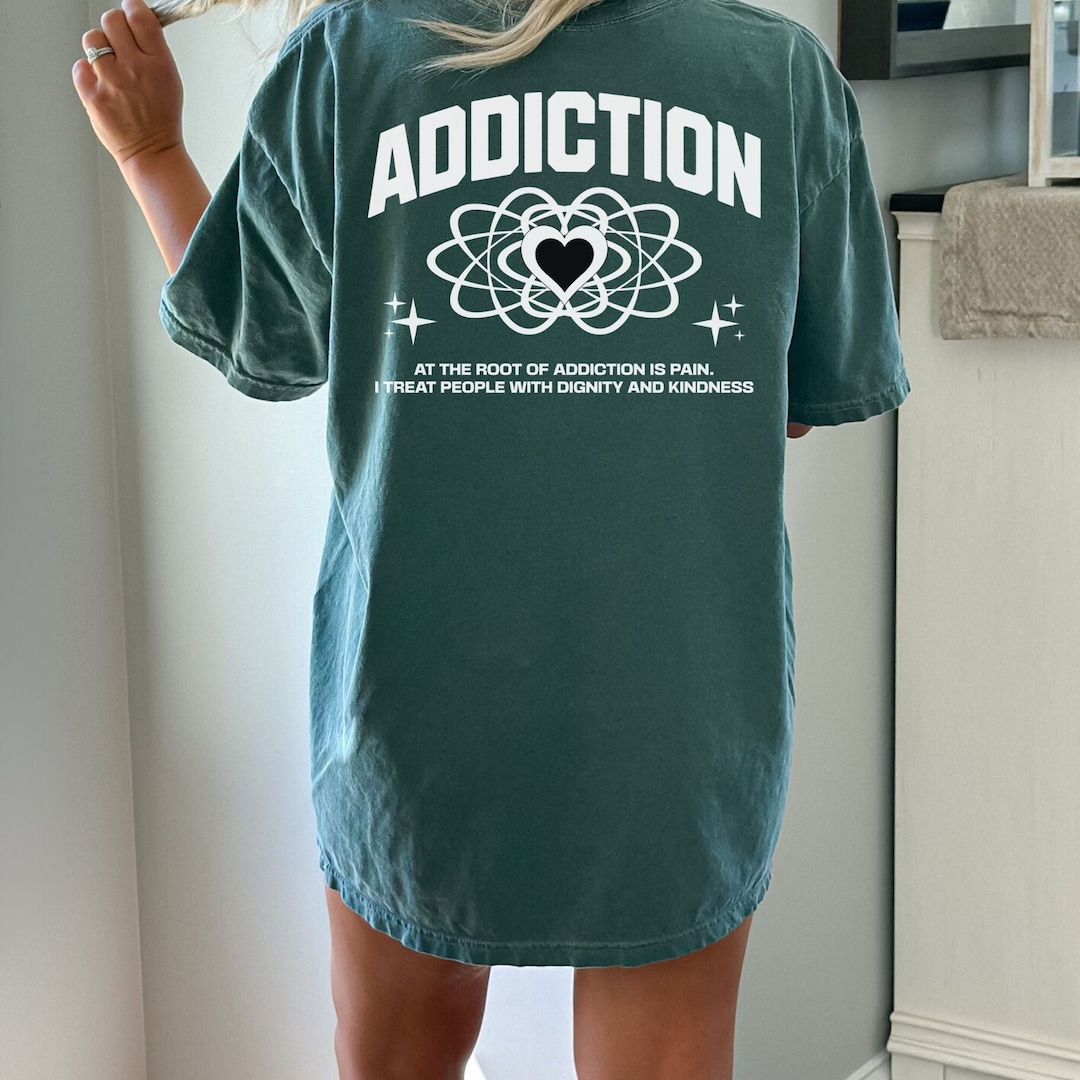
A custom T-shirt can be much more than a piece of clothing. When it carries a message about addiction recovery, mental health, hope, or community support, it can give important causes a visible voice. For people who have experienced substance use or mental health challenges, that visibility can help reduce shame and encourage honest conversations. A thoughtfully designed shirt cannot replace professional treatment, but it can help create a culture where asking for help is accepted, recovery is respected, and people feel less alone.
Why Visibility Matters in Addiction Recovery
Addiction often thrives in silence. People may hide their substance use because they fear judgment from family, friends, coworkers, or their community. Even when someone recognizes that they need help, embarrassment or shame can make reaching out difficult.
Mental health concerns can create similar barriers. Someone dealing with depression, anxiety, trauma, or overwhelming stress may worry that others will see them differently if they speak openly about what they are experiencing.
This is why awareness matters.
When recovery and mental health become subjects that people can discuss openly, misconceptions have less room to grow. Custom T-shirts can contribute to that change by placing supportive messages into everyday environments.
A Shirt Can Start a Conversation
A person wearing a recovery focused T-shirt may receive a simple question from someone nearby. That interaction could be as brief as asking what the design means, but it can also lead to a deeper conversation.
That conversation might involve:
- Addiction recovery
- Mental health treatment
- Family support
- Recovery resources
- The importance of professional care
- Reducing stigma
- Healthy coping strategies
- Hope after difficult experiences
The purpose is not to turn every T-shirt into a personal disclosure. Instead, the message can create an opening for education and understanding.
Custom T-Shirts Can Challenge Addiction Stigma
One of the biggest barriers to addiction treatment is the belief that asking for help reflects weakness.
That idea does not reflect the reality of addiction.
Substance use can involve biological, psychological, social, and environmental factors. A person may also be dealing with trauma, mental health concerns, family conflict, chronic stress, or other challenges that influence their substance use.
Recovery requires courage because it often means confronting difficult experiences and making meaningful changes.
A custom T-shirt that communicates support for recovery can reinforce a healthier message: people struggling with addiction deserve dignity, understanding, and access to treatment.
Focus on the Person, Not the Label
Cause driven clothing should avoid language that reduces someone to their addiction.
Instead of focusing on shame or stereotypes, effective recovery messaging can emphasize:
- Hope
- Healing
- Strength
- Connection
- Recovery
- Second chances
- Support
- Personal growth
These messages recognize that addiction may be part of someone’s story without defining the whole person.
Giving Mental Health Awareness a Stronger Voice
Mental health deserves the same kind of thoughtful attention.
People often talk about physical health openly while keeping emotional struggles private. That imbalance can make someone feel as though their mental health concerns are something they should hide.
A simple message on a T-shirt can challenge that assumption.
Normalizing Conversations About Mental Wellness
A T-shirt with a mental health message can communicate that emotional well-being matters. It can also encourage people to ask questions, learn more, or check in with someone they care about.
For example, a shirt promoting mental health awareness might encourage someone to think about whether a friend has been struggling. It could remind a person that counseling is a legitimate form of support. It might even help someone recognize that they have been ignoring their own emotional needs.
Small reminders can have meaningful effects when they encourage action.
Awareness Is Important, But Treatment Matters Too
It is important to understand the difference between awareness and treatment.
A T-shirt can promote a message. It cannot diagnose addiction, provide therapy, manage withdrawal, or address the underlying factors contributing to substance use.
When someone is struggling, professional treatment may be necessary.
Depending on the individual’s needs, treatment can include inpatient care, outpatient services, mental health support, counseling, and other personalized approaches.
When Inpatient Treatment May Help
Inpatient treatment provides a structured setting where individuals can focus on recovery while receiving professional support.
For someone who needs a higher level of structure, living in a treatment environment can reduce exposure to certain triggers and distractions. It can also create space to establish healthier routines and begin addressing the physical, emotional, and behavioral aspects of addiction.
Inpatient care is not automatically the right choice for everyone. The appropriate level of care should be based on a person’s specific circumstances and professional assessment.
The Benefits of Outpatient Care
Outpatient treatment provides another important option.
People receiving outpatient care can participate in professional treatment while continuing to live at home and maintain responsibilities such as work, education, or family commitments.
For some individuals, outpatient treatment can provide the structure and accountability needed to make meaningful progress while remaining connected to everyday life.
Both inpatient and outpatient care can have an important role in a comprehensive recovery system.
Personalized Treatment Recognizes Individual Needs
There is no universal recovery plan.
Two people can develop substance use problems for very different reasons. Their mental health, family circumstances, physical health, relationships, responsibilities, and recovery goals may also differ significantly.
That is why individualized treatment matters.
Looking at the Whole Person
Effective recovery support should consider more than substance use alone.
An individualized approach may explore:
- Mental and emotional health
- Substance use history
- Family relationships
- Personal goals
- Physical well-being
- Daily routines
- Social support
- Environmental triggers
- Spiritual values
- Previous treatment experiences
This broader perspective can help professionals understand what a person needs to build a stronger foundation for recovery.
Holistic Approaches Can Support Long Term Recovery
Recovery involves more than avoiding substances. It can involve learning how to live differently.
A holistic approach may consider physical, emotional, social, and spiritual well-being. Depending on the individual’s needs and preferences, supportive practices may include healthy nutrition, exercise, mindfulness, adequate sleep, creative activities, healthy relationships, and stress management.
These practices do not replace evidence based treatment. Instead, they can complement professional care and support a healthier lifestyle.
Faith Based Recovery Can Provide Hope
For people who view faith as an important part of their lives, spiritual support may be meaningful during recovery.
Faith can provide a framework for exploring purpose, forgiveness, personal values, relationships, and hope. When incorporated into an appropriate treatment plan, faith based care can support the person’s emotional and spiritual needs alongside professional addiction and mental health services.
The most important consideration is whether the approach aligns with the individual’s beliefs and recovery goals.
How to Create a T-Shirt That Communicates the Right Message
If you are creating custom T-shirts for addiction recovery or mental health awareness, the design should be intentional.
Choose Language That Builds Hope
Think about what you want people to feel when they see the shirt.
A message that communicates hope or support is more likely to encourage connection than one that relies on fear, shame, or negative stereotypes.
Consider short phrases centered on ideas such as:
- Recovery is possible.
- Hope matters.
- Mental health matters.
- Support starts with listening.
- Asking for help takes courage.
- You are not alone.
- Healing takes time.
The strongest message is often one that respects the complexity of recovery while giving people a reason to believe change is possible.
Make the Design Easy to Understand
Good cause driven apparel does not need to be complicated.
A simple phrase and recognizable visual can make the message easier to understand. Consider readability, font size, placement, and overall design. If someone can understand the central idea quickly, the shirt is more likely to accomplish its purpose.
Turning Awareness Into Action
The greatest value of mental health and recovery awareness comes when awareness leads to action.
A person may see a T-shirt and recognize that addiction is affecting someone they love. Another person may realize that their own drinking or drug use has become difficult to control. Someone else may finally decide that ongoing anxiety, depression, or emotional distress deserves professional attention.
That is where the conversation becomes important.
If a T-shirt encourages someone to seek information, talk with a trusted person, contact a treatment provider, or explore professional support, it has helped create a meaningful connection between awareness and action.
More Than a Message, It Can Be a Sign of Support
Custom T-shirts cannot solve addiction or mental health challenges. They can, however, help make important conversations more visible.
They can remind people that recovery deserves respect. They can challenge stereotypes. They can encourage compassion. Most importantly, they can help create an environment where people feel more comfortable talking about what they are experiencing.
Still, lasting recovery requires more than a message on clothing. It may require professional addiction treatment, mental health care, inpatient or outpatient support, holistic practices, faith based resources, or a combination of approaches tailored to the individual.
If addiction or mental health concerns are affecting you or someone you care about, do not wait for shame or fear to make the decision for you. Reach out to qualified professionals, ask questions about available treatment options, and learn what type of support may fit your situation.
A custom T-shirt can give recovery a voice. A conversation can create connection. Professional care can provide the guidance, structure, and support needed to move toward a healthier future.
0 Comments