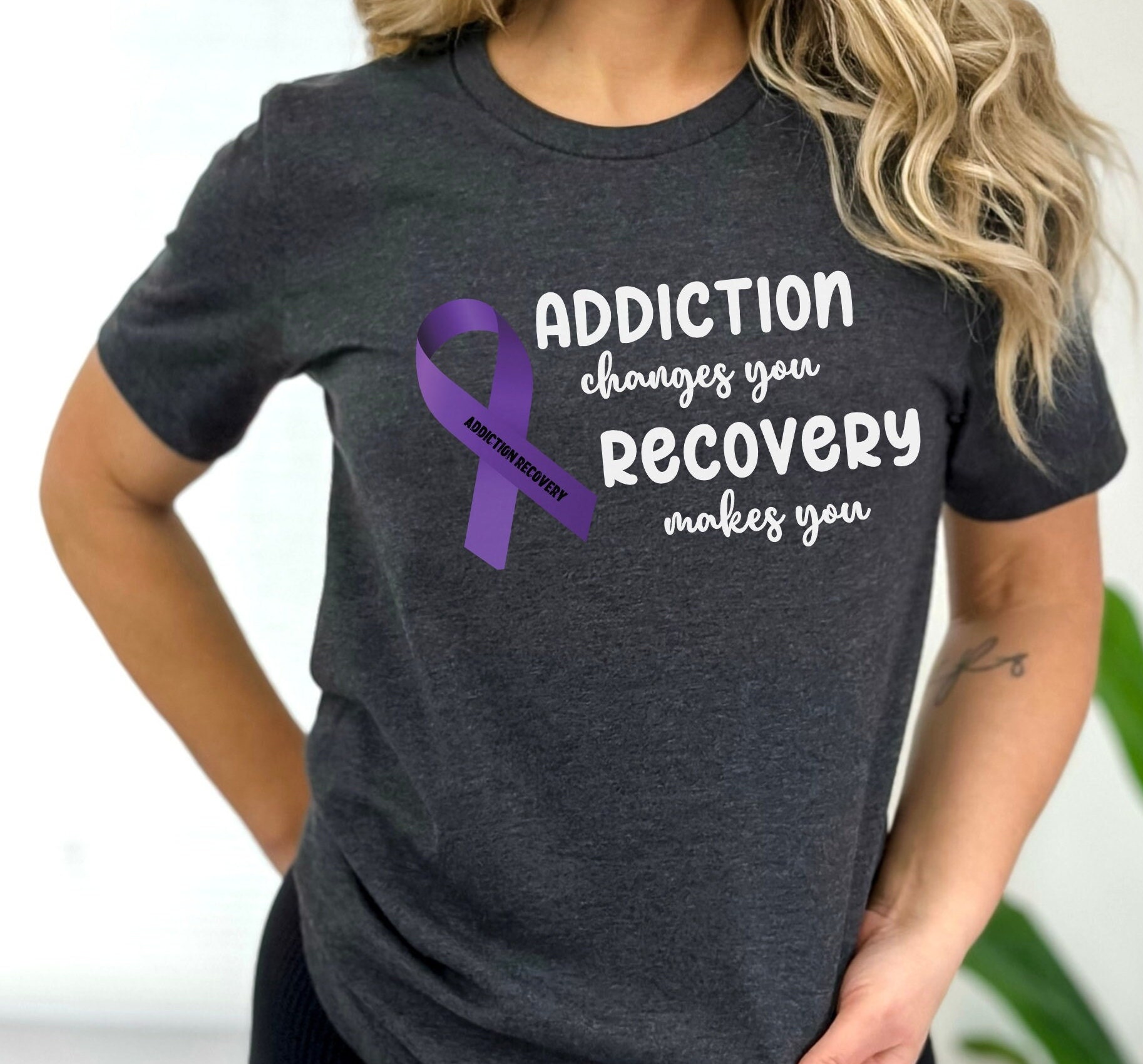
Fashion has always been a form of self-expression, but it can also become something much deeper. For individuals navigating mental health challenges or addiction recovery, what we wear can communicate strength, hope, and lived experience without saying a word. A simple T-shirt can become a powerful tool for advocacy, helping to spark conversations that reduce stigma and encourage people to seek support. When fashion turns into advocacy, it becomes part of the healing process itself.
At its heart, recovery is about connection and understanding. Whether someone is receiving inpatient care, participating in outpatient programs, or engaging in holistic and faith-based support, feeling seen and heard plays a major role in healing. Cause-driven apparel helps bring that visibility into everyday life in a natural and approachable way.
Why Fashion Can Be a Voice for Mental Health Awareness
Clothing is one of the most accessible forms of communication. A T-shirt with a message about mental health or addiction recovery can quietly but powerfully invite conversation. It creates an opportunity for dialogue in spaces where these topics are often avoided.
When someone reads a message like “Mental Health Matters” or “You Are Not Alone,” it can shift their perspective. It may encourage empathy, understanding, or even personal reflection. These small moments of awareness can lead to meaningful change over time.
Reducing Stigma Through Everyday Visibility
One of the biggest challenges in mental health advocacy is stigma. Many people still feel uncomfortable discussing emotional struggles or addiction. When advocacy becomes visible through fashion, it helps normalize these conversations.
Seeing mental health messages in everyday environments, such as workplaces, schools, or public spaces, reinforces the idea that these topics are part of real life and deserve open discussion.
How T-Shirts Spark Meaningful Conversations
A well designed advocacy T-shirt does more than make a statement. It starts conversations that might not otherwise happen. These conversations are often the first step toward understanding and support.
When someone asks about a shirt’s message, it creates a natural opening to talk about mental health, recovery journeys, or available resources. Over time, these discussions help build awareness and reduce feelings of isolation.
Creating Safe Moments for Dialogue
Not everyone is ready to speak openly about their mental health or recovery experience. T-shirts offer a gentle way to engage without pressure. The message speaks first, allowing individuals to share only what feels comfortable.
This approach creates safer, more approachable moments for dialogue, especially for those who may still be in early stages of healing.
Designing Apparel That Supports Advocacy
For fashion to effectively support mental health dialogue, design matters. The message must be clear, compassionate, and thoughtfully presented.
Use Simple and Hope-Focused Messaging
Short, uplifting phrases are often the most impactful. Messages such as “Choose Hope,” “Healing Is Possible,” or “Together We Heal” can inspire connection and encourage conversation without overwhelming the viewer.
Incorporate Symbolic and Calming Visuals
Design elements like soft colors, natural imagery, or symbolic representations of growth and resilience help reinforce the message. These visuals create emotional resonance and make the apparel more engaging.
Prioritize Comfort and Everyday Use
Comfort is essential for advocacy apparel. When a T-shirt is soft and easy to wear, it becomes part of daily life. The more often it is worn, the more opportunities it has to spark meaningful conversations.
Building Community Through Shared Expression
Advocacy through fashion also helps build a sense of community. When people wear messages that support mental health awareness, they signal shared values and experiences. This can create connection in support groups, recovery events, or even casual public interactions.
These shared messages remind individuals that they are not alone. Recovery becomes less isolating when it is supported by visible encouragement and understanding.
Connecting Awareness With Professional Care
While advocacy through fashion is powerful, it is not a substitute for professional treatment. Lasting recovery often involves a combination of inpatient or outpatient care, therapy, and holistic support systems that address emotional, physical, and spiritual well-being.
Faith-based and individualized approaches can further support healing by meeting each person where they are in their journey. Apparel helps start the conversation, but professional care helps guide the path forward.
Conclusion
Turning fashion into advocacy gives mental health awareness a visible, human presence in everyday life. T-shirts that spark dialogue can break down stigma, encourage empathy, and help people feel more comfortable discussing recovery and emotional well-being.
If you or someone you love is facing mental health challenges or addiction, support is available. Compassionate treatment options that include individualized care, therapy, and holistic healing approaches can make a meaningful difference. Recovery begins with connection, and sometimes that connection starts with a simple message on a shirt that says you are not alone.