More Than Words: The Science Behind Emotional Expression and Mental Wellness

Understanding the Role of Emotional Expression

Emotional expression is more than sharing how you feel. It is a critical component of mental wellness, especially for individuals navigating addiction recovery and mental health challenges. When emotions are acknowledged and communicated, they provide insight into our inner world and guide healthier coping strategies. Suppressing feelings, on the other hand, can contribute to stress, anxiety, depression, and even relapse.

At [Name of Website], we recognize that emotional expression is not a luxury—it is a necessity. Our programs integrate holistic, faith-based, and individualized approaches to ensure that clients have the tools and safe spaces to express their emotions authentically.

The Science Behind Emotional Expression

Research has consistently shown that expressing emotions positively impacts both mental and physical health. When you speak, write, or otherwise release your feelings, your body responds in measurable ways:

  • Reduced stress hormone levels: Expressing feelings can lower cortisol, helping to reduce anxiety and tension.
  • Improved mood regulation: Emotional expression supports the brain’s processing of feelings, reducing the intensity of negative emotions over time.
  • Stronger immune response: Mental health and physical health are closely connected, and processing emotions can improve overall wellbeing.
  • Enhanced resilience: Communicating emotions helps individuals develop coping strategies, making it easier to navigate challenges without turning to harmful behaviors.

These findings highlight why emotional expression is a cornerstone of effective addiction recovery and mental health treatment.

Emotional Expression in Addiction Recovery

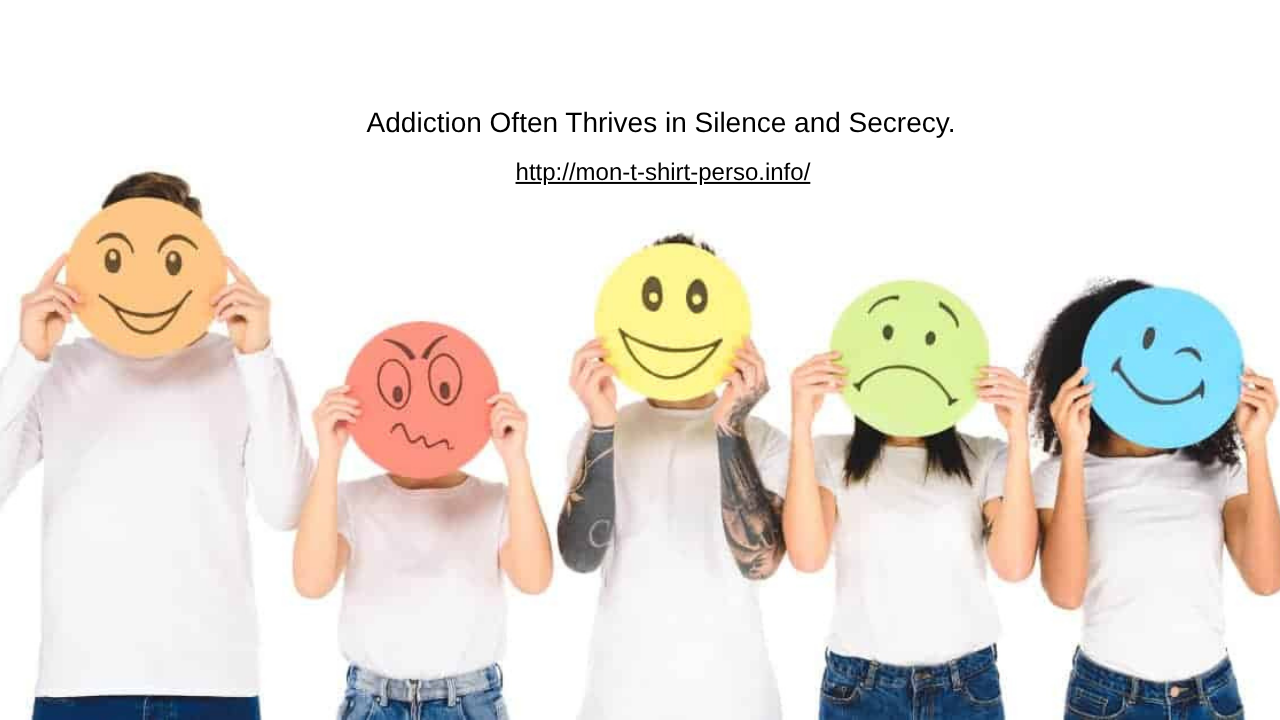
Addiction often thrives in secrecy and emotional suppression. Many people struggling with substance use disorders have learned to hide pain, fear, or shame as a survival mechanism. In recovery, learning to express these emotions safely can be transformative.

Benefits of Emotional Expression in Recovery

  • Strengthened support networks: Sharing feelings builds trust and deeper connections with peers, counselors, and family.
  • Reduced relapse risk: Expressing emotions decreases internal tension, helping individuals avoid returning to substances as a coping mechanism.
  • Improved self-awareness: Honest reflection on emotions allows clients to identify triggers, needs, and healthier coping methods.
  • Enhanced mental clarity: Processing emotions provides insight, making it easier to navigate recovery with confidence and resilience.

Practical Strategies for Expressing Emotions

Creating safe and consistent opportunities for emotional expression is essential for lasting recovery. Here are practical approaches we integrate into treatment programs:

  • Therapy and counseling: Individual or group sessions allow structured emotional expression guided by trained professionals.
  • Journaling and reflection: Writing down feelings helps process emotions that are difficult to articulate verbally.
  • Creative outlets: Art, music, and movement therapies provide nonverbal ways to release emotions.
  • Holistic and faith-based practices: Mindfulness, meditation, and spiritual guidance encourage emotional awareness and authenticity.

Beyond Words to Lasting Wellness

Emotional expression is more than just talking. It is a scientifically supported practice that strengthens mental wellness, supports recovery, and fosters personal growth. By embracing your feelings in safe and guided ways, you can release internal burdens, reduce stress, and build a healthier, more resilient life.

At [Name of Website], we offer compassionate, individualized care that emphasizes the power of emotional expression. Whether through inpatient or outpatient programs, holistic therapies, or faith-based guidance, we are here to help you unlock healing, connection, and long-term wellness.

If you are ready to take the next step in your recovery and mental health journey, reach out today. Your emotions matter, and your healing begins with giving them a voice.

Finding Your Voice: How Emotional Honesty Supports Long-Term Healing

Why Emotional Honesty Matters in Recovery

Addiction recovery is more than breaking free from substances. It is about healing the mind, body, and spirit in a way that supports lasting change. One of the most powerful tools in this process is emotional honesty. Many people entering treatment carry years of bottled-up emotions, unspoken pain, or hidden struggles. While it may feel safer to keep these feelings inside, emotional honesty creates the foundation for genuine recovery. Speaking your truth allows you to release burdens, build trust, and embrace a life of long-term healing.

At its core, emotional honesty is not about sharing everything all at once. It is about learning to recognize what you truly feel and expressing it in ways that support growth. For individuals facing addiction or mental health challenges, this process can be life-changing.

The Connection Between Emotional Honesty and Healing

Silence often fuels addiction and mental health struggles. Shame, fear of judgment, or the belief that others will not understand can lead to emotional isolation. Emotional honesty breaks that cycle. By acknowledging and voicing your feelings, you make space for understanding, compassion, and healthier coping skills.

Benefits of Emotional Honesty in Recovery

  • Stronger relationships: Honest conversations help rebuild trust with family, friends, and peers.
  • Healthier coping mechanisms: Instead of numbing emotions, you learn to face them and manage them constructively.
  • Reduced relapse risk: Open communication about triggers and struggles makes it easier to seek support before setbacks happen.
  • Improved self-awareness: Understanding your feelings helps you make clearer, healthier choices in recovery.

Creating Safe Environments for Honest Expression

Emotional honesty requires safety. Many people fear being judged, dismissed, or misunderstood. That is why inpatient and outpatient treatment programs focus on creating supportive spaces where individuals can be open without fear. Group therapy sessions, individual counseling, and holistic approaches such as art or faith-based practices give people structured outlets to share what they feel.

In these settings, clients discover that they are not alone. Hearing others share their experiences often gives the courage to speak up. Over time, this honesty becomes a source of strength, allowing individuals to connect with their true selves and embrace recovery more fully.

Practical Steps to Practice Emotional Honesty

  • Start with self-reflection: Journaling or meditation helps identify emotions before speaking them out loud.
  • Take small steps: Begin by sharing one honest thought or feeling with a trusted counselor or peer.
  • Use “I” statements: Expressing feelings with clarity (“I feel anxious when…”) builds healthier communication.
  • Seek guidance: A therapist or recovery coach can provide tools to express emotions in ways that support healing.

Honesty as a Pathway to Long-Term Healing

Recovery is not only about avoiding harmful behaviors. It is about building a life that feels authentic and fulfilling. Emotional honesty strengthens resilience by teaching you to face challenges directly rather than hiding from them. It encourages deeper relationships, stronger self-esteem, and a renewed sense of purpose.

When people learn to speak their truth with courage and compassion, they discover that healing is not a temporary goal but a sustainable way of living.

Take the Step Toward Your Healing Journey

Emotional honesty may feel intimidating at first, but it is one of the most important tools for long-term recovery. By speaking openly about your struggles, you not only release the weight of silence but also open the door to deeper healing, connection, and growth.

At [Name of Website], we provide individualized addiction recovery and mental health treatment that honors your unique story. Whether through inpatient care, outpatient programs, holistic practices, or faith-based support, we are here to help you find your voice and create a future rooted in honesty and hope.

From Bottled-Up to Breakthrough: Why Sharing Your Feelings Matters in Mental Health

The Cost of Holding Everything Inside

When it comes to mental health and addiction recovery, silence can feel like safety. Many people believe that keeping their emotions bottled up protects them from judgment, rejection, or pain. In reality, unspoken feelings often become heavier with time. Suppressed emotions may lead to stress, anxiety, depression, or relapse. For those navigating recovery, learning how to share feelings openly is more than just a coping skill. It is a breakthrough that leads to healing, connection, and long-term growth.

Speaking up does not mean oversharing or exposing yourself before you are ready. It means finding safe, supportive spaces where your emotions are acknowledged and respected. This process is at the heart of effective mental health treatment and addiction recovery.

Why Emotional Expression Supports Recovery

Addiction and untreated mental health conditions often thrive in secrecy. Shame, guilt, and fear keep individuals trapped in silence, making recovery harder to sustain. Emotional expression changes this pattern. By sharing feelings, people release inner tension and gain clarity about their experiences.

Studies have shown that verbalizing emotions reduces stress responses in the brain, lowers blood pressure, and improves mood regulation. In recovery programs, emotional honesty often leads to stronger therapeutic relationships, healthier coping skills, and a greater sense of self-worth.

Key Benefits of Sharing Your Feelings

  • Reduces isolation: Speaking your truth helps you realize you are not alone in your struggles.
  • Strengthens coping skills: Expressing emotions replaces destructive habits with healthy communication.
  • Builds trust: Sharing authentically fosters stronger connections with peers, counselors, and loved ones.
  • Supports resilience: Emotional openness helps you navigate triggers and setbacks without bottling them up.

Creating Safe Spaces for Expression

For emotional expression to be healing, it must happen in an environment that feels safe and supportive. Inpatient and outpatient recovery programs are designed with this in mind. Through group therapy, one-on-one counseling, and holistic practices like meditation or art therapy, individuals are encouraged to process emotions without fear of judgment.

Faith-based approaches can also provide meaningful outlets, allowing people to connect feelings with values and spirituality. Whether through prayer, guided reflection, or community support, these practices strengthen the recovery journey.

Practical Ways to Begin Opening Up

  • Start with journaling: Writing thoughts and emotions privately can prepare you for sharing with others.
  • Practice in small steps: Share a single honest feeling with a trusted friend, counselor, or peer.
  • Use structured settings: Group sessions and therapy appointments offer safe, guided spaces for expression.
  • Explore creative outlets: Music, painting, or physical movement can help express emotions when words are hard to find.

From Bottled-Up to Breakthrough

The act of sharing your feelings is not a weakness. It is a powerful tool for recovery and personal growth. When you give your emotions a voice, you free yourself from the cycle of silence that fuels stress, addiction, and despair.

Take the Step Toward Healing

If you are carrying emotions you have never spoken aloud, know that you do not have to carry them alone. Safe, compassionate support is available to help you express what you feel, release what weighs you down, and build a healthier future. Speaking your truth may feel overwhelming at first, but it is the first step toward breakthrough healing.

At mon-t-shirt-perso.info, you will find individualized care that honors your journey and supports your growth. Recovery is not just about living free from addiction. It is about embracing a life where your feelings matter, your voice is heard, and your healing is possible.

The Healing Power of Speaking Your Truth: Emotional Expression in Recovery

Why Emotional Honesty Matters in Recovery

In addiction recovery, healing is not just about breaking free from substances. It is also about confronting the emotions and experiences that have shaped your journey. Many people entering treatment have spent years suppressing feelings, avoiding difficult conversations, or hiding their struggles. Speaking your truth changes that. It is an act of courage that helps you release emotional weight, connect with others, and create a foundation for long-term wellness.

When emotional expression is encouraged and supported, it allows individuals to process pain instead of carrying it silently. This is not simply “talking about your problems.” It is learning to articulate what you feel in a way that fosters self-understanding, healing, and hope.

The Link Between Emotional Expression and Mental Health

Addiction often thrives in silence and secrecy. Unspoken emotions can intensify feelings of isolation, anxiety, and depression. Research consistently shows that expressing emotions in a safe environment reduces stress, improves mood, and strengthens mental resilience.

For those in recovery, this can mean the difference between staying trapped in a cycle of relapse or building a sustainable, healthy life. When you speak your truth in a therapeutic setting, you are not only sharing your story—you are actively reprogramming your brain’s stress response and creating healthier coping patterns.

Creating Safe Spaces for Vulnerability

A core part of effective treatment is providing a safe, non-judgmental environment where individuals can be open about their thoughts and emotions. At a quality recovery center, this may happen through one-on-one counseling, group therapy, or holistic approaches such as mindfulness and art therapy.

These safe spaces help you practice emotional expression without fear of rejection or misunderstanding. Over time, this builds trust—not only with others but with yourself. You begin to believe that your feelings have value and deserve to be heard.

Practical Ways to Speak Your Truth in Recovery

  • Start small: Share one genuine feeling a day with a trusted person or therapist.
  • Use “I” statements: Speak from your own experience to avoid defensiveness.
  • Practice active listening: Hearing others share their truths can encourage you to open up.
  • Explore creative outlets: Journaling, painting, or music can be powerful ways to express emotions that are hard to verbalize.

The Role of Holistic and Faith-Based Support

Holistic and faith-based recovery programs often place a strong emphasis on emotional expression as part of spiritual and mental healing. Whether through prayer, meditation, or guided reflection, these practices encourage openness and authenticity. They help you connect your emotions to your values and beliefs, offering deeper meaning to your recovery journey.

Speaking Your Truth as a Lifelong Skill

Emotional expression is not just for the early stages of recovery. It is a lifelong skill that helps you navigate stress, maintain healthy relationships, and stay grounded in your personal growth. Over time, you will notice that speaking your truth becomes second nature, replacing old habits of suppression or avoidance.

Conclusion: Taking the First Step

The path to recovery begins with honesty—with yourself and with others. Speaking your truth is one of the most powerful tools you have to reclaim your life from addiction. If you are ready to begin a journey that embraces your emotional well-being as much as your physical health, now is the time to reach out. Help is available, and your story matters.

Your voice is more than just words. It is the key to healing, connection, and lasting recovery.

Healing Through Honesty: How Emotional Expression Supports Mental Well-Being

In a world that often encourages emotional restraint, honesty about one’s inner life can be a radical act of healing. Many people learn early to suppress feelings—whether to avoid conflict, protect others, or appear strong. But over time, emotional silence becomes a heavy burden. Healing doesn’t happen in hiding. It begins with honesty: speaking your truth, acknowledging your feelings, and allowing yourself to feel deeply. Emotional expression is not just a form of release—it’s a foundation for mental well-being.

The Cost of Bottled Emotions

When emotions go unspoken, they don’t disappear—they accumulate. Suppressing sadness, anger, fear, or even joy can lead to emotional stagnation. Eventually, this internal build-up may surface through anxiety, depression, chronic stress, or physical symptoms like fatigue and tension.

Many people fear that expressing difficult emotions makes them appear weak, dramatic, or unstable. Yet, the real danger lies in avoidance. Repressed emotions have a tendency to manifest in unhealthy ways: passive aggression, emotional numbness, substance use, or relationship breakdowns. Silence may feel like control, but it often creates internal chaos.

Why Honesty Heals

Honesty about your emotions creates space for healing. When you acknowledge how you feel, you validate your own experience. You tell yourself: My feelings are real. They matter. This act of self-recognition fosters emotional clarity and reduces inner conflict.

Emotional expression also lightens the mental load. Sharing your feelings—whether with a friend, therapist, journal, or support group—can bring a sense of relief and perspective. Speaking honestly allows you to process your emotions instead of storing them, making space for self-understanding and resilience.

Research consistently shows that expressive individuals experience better mental health outcomes. Talking about emotions can lower cortisol levels, improve mood regulation, and even strengthen immune response. In short, being honest with yourself and others doesn’t just feel good—it’s biologically beneficial.

The Role of Safe Spaces

Honest emotional expression thrives in safe environments. Creating or finding those spaces is essential. Whether through therapy, trusted relationships, or creative outlets like writing, music, or art, having a place where you can be emotionally open without judgment allows for deeper healing.

It’s also important to recognize that emotional honesty doesn’t mean oversharing or reacting impulsively. It means being authentic, intentional, and mindful of your emotional needs and the context in which you share them.

Building Emotional Fluency

The more you practice emotional honesty, the easier it becomes to identify and articulate what you’re feeling. This emotional fluency helps in every area of life—from managing stress to building healthier relationships. It fosters self-awareness, empathy, and emotional regulation.

Conclusion: The Courage to Speak

Healing through honesty takes courage. It means being real with yourself and allowing others to see you beyond the surface. But with every honest conversation, every moment of vulnerability, and every release of pent-up emotion, you step closer to mental freedom. Emotional expression is not just a tool for healing—it’s a declaration that your feelings matter, and so do you.

Navigating Relationships When You Feel Everything Deeply

For highly sensitive people and emotional empaths, relationships can be both life-giving and overwhelming. Feeling everything deeply means experiencing love, connection, and empathy in rich, powerful ways. But it also means that misunderstandings, conflict, or emotional distance can cut deeper than most realize. Navigating relationships when you’re someone who feels intensely requires awareness, resilience, and healthy boundaries.

The Blessing and Challenge of Emotional Depth

Deep feelers are often praised for their emotional insight. They notice subtle shifts in tone, body language, and energy. They can sense unspoken sadness, unvoiced tension, or hidden joy. This sensitivity allows for deep emotional connections and makes them trustworthy confidants and loyal partners.

However, this same sensitivity can create challenges. When you feel everything intensely, minor conflicts may feel like major wounds. A small disagreement can spiral into self-doubt, while a friend’s silence might trigger fears of rejection or abandonment. Overanalyzing every word or interaction becomes exhausting, leaving you emotionally drained and questioning your worth.

The Risk of Emotional Overload

Highly sensitive individuals often give more than they receive in relationships, sometimes without realizing it. They may absorb others’ emotions, trying to fix problems or soothe tension even at their own expense. Over time, this can lead to emotional burnout, resentment, or feeling emotionally “used up.”

People who feel deeply may also struggle with balancing honesty and self-protection. They might overshare in an attempt to create closeness or become overly cautious after being hurt. Both extremes can create friction in relationships, leaving them feeling misunderstood or isolated.

Strategies for Healthy Connection

1. Communicate Your Emotional Needs

Don’t expect others to read your mind. Let your friends, partners, or family know how you process emotions. Explain that you may need time to decompress after conflict or that silence sometimes feels louder to you than it does to others. Clear communication fosters understanding and prevents unnecessary misunderstandings.

2. Set and Respect Boundaries

Boundaries are crucial when you feel deeply. They protect your emotional energy and help you avoid taking on others’ problems as your own. It’s okay to say no, to take breaks from emotionally charged situations, or to step back when needed.

3. Practice Self-Soothing and Grounding

Learn to manage your emotions independently. Journaling, meditation, breathwork, or simply stepping outside can help you ground yourself when feelings become overwhelming. This reduces emotional reactivity and allows you to engage in relationships from a place of calm rather than chaos.

4. Choose Your Inner Circle Wisely

Not everyone will understand or appreciate your emotional depth—and that’s okay. Surround yourself with people who value sensitivity as a strength, not a weakness. Seek relationships that are mutual, respectful, and emotionally safe.

Conclusion: Emotional Depth as a Superpower

Feeling deeply is not a flaw—it’s a superpower. But like any superpower, it requires care, practice, and control. By nurturing emotional balance and setting healthy boundaries, you can build relationships that honor your sensitivity without overwhelming your spirit. In doing so, you’ll experience deeper connections—without losing yourself in the process.

Sensitivity in a Tough World: How to Protect Your Mental Health While Staying Open

Living with emotional sensitivity in a world that often values toughness can feel like walking barefoot across rough terrain. Sensitive individuals—those who feel deeply, empathize easily, and absorb the moods of others—frequently find themselves overwhelmed, misunderstood, or dismissed. Yet, sensitivity is not a flaw; it’s a strength rooted in awareness, compassion, and emotional depth. The challenge lies in learning how to remain open-hearted while protecting one’s mental and emotional well-being.

The Gift and Strain of Sensitivity

Being sensitive means you’re likely tuned in to subtle emotional shifts, both in yourself and others. You notice when someone’s tone changes, when tension enters a room, or when words carry weight others might miss. This insight makes you a deeply compassionate friend, a thoughtful partner, and a reflective thinker.

But the same sensitivity that makes you caring can also make you vulnerable. The constant emotional input can lead to overstimulation, exhaustion, or even emotional burnout. In a fast-paced, often harsh world, sensitive individuals may feel like they are always on edge, constantly processing the pain, conflict, and noise around them.

Why Staying Open Matters

Some sensitive people try to cope by shutting down emotionally, masking their feelings, or building a wall between themselves and the world. While this might offer short-term relief, it often comes at the cost of authenticity and connection. Emotional openness is essential for self-expression, healing, and forming meaningful relationships. The goal isn’t to toughen up or become indifferent—it’s to build inner strength that allows you to stay open without being overwhelmed.

Strategies for Protecting Your Mental Health

1. Set Healthy Emotional Boundaries

You don’t have to absorb everything you feel or everything others throw your way. Practice saying no, stepping away from toxic environments, and limiting your exposure to emotionally draining people or media. Boundaries aren’t barriers—they’re filters that allow in what nourishes you and keep out what harms you.

2. Schedule Regular Emotional Rest

Just as your body needs rest, so does your emotional self. Make space for solitude, quiet reflection, or time in nature. Engage in activities that calm your nervous system, such as journaling, meditation, or creative expression.

3. Choose Your Circle Carefully

Not everyone deserves access to your emotional world. Surround yourself with people who validate your feelings and offer safety, not judgment. Supportive relationships help you feel grounded and seen, even when the world feels overwhelming.

4. Honor Your Sensitivity

Reframe your sensitivity as a superpower. You bring emotional intelligence, depth, and insight to the table. The more you honor your nature, the less you’ll feel the need to defend or hide it.

Conclusion: Strength in Softness

In a world that often glorifies stoicism and emotional detachment, choosing to remain sensitive—and open—is a radical act of strength. By caring for your mental health while embracing who you are, you protect not only your own well-being but also the emotional richness you offer others. Sensitivity, when nurtured and safeguarded, becomes resilience in its most human form.

Loving Loudly, Hurting Quietly: The Mental Toll of Emotional Transparency

Emotional transparency—being open about your feelings, desires, and vulnerabilities—is often praised as the foundation of deep relationships and authentic living. It allows us to love fully, speak honestly, and connect meaningfully. But for many, especially those who love loudly and feel deeply, this openness can come with a quiet cost. When emotional transparency is not reciprocated or respected, it can lead to invisible wounds that take a serious toll on mental health.

The Beauty and Burden of Loving Loudly

Loving loudly means showing up fully in your emotions—wearing your heart on your sleeve, expressing affection freely, and giving of yourself without hesitation. It is brave, beautiful, and deeply human. People who love this way often serve as emotional anchors in relationships, friends who are always there, and partners who give more than they take.

However, this kind of emotional generosity often goes unnoticed or unreturned. And when those who love loudly are hurt, disappointed, or overlooked, they tend to internalize the pain rather than share it. They hurt quietly, retreat inward, and question their worth. Over time, this pattern can lead to burnout, anxiety, and emotional exhaustion.

The Hidden Strain of Always Being Open

Emotional transparency invites vulnerability—and vulnerability always carries risk. Those who consistently express their emotions may find themselves feeling overexposed. When someone shares their heart openly and doesn’t receive the same energy in return, it can lead to feelings of abandonment or self-doubt.

Being emotionally transparent also comes with the pressure of being “the strong one” or “the sensitive one.” Others may come to rely on their openness but fail to offer support when roles are reversed. This imbalance can leave emotionally open people feeling unsupported, invisible, and lonely—even in relationships they cherish.

Over time, the mental toll builds. The pain of being misunderstood, dismissed, or emotionally taken for granted can create a deep internal conflict: Should I keep being open, or is it safer to pull back?

The Importance of Emotional Boundaries

Emotional transparency doesn’t mean sharing everything with everyone. The key is learning when, where, and with whom it’s safe to be fully open. Establishing emotional boundaries helps protect your energy and mental health. It allows space for recovery and discernment, rather than pouring endlessly into others.

Self-reflection is also essential. Ask yourself: Am I being honest about my needs? Am I expecting reciprocity where it may not exist? Emotional transparency should serve you as much as it serves others—it should be empowering, not depleting.

Choosing Yourself, Quietly and Loudly

Loving loudly and hurting quietly doesn’t have to be the pattern. It’s possible to remain emotionally open while learning to protect your heart. Surround yourself with people who respect your vulnerability, who listen when you speak, and who show up when you’re in pain—not just when you’re giving love.

Ultimately, the goal isn’t to stop feeling deeply. It’s to love loudly when it’s safe—and to heal loudly when you need to. Emotional transparency is a strength, but like all strengths, it must be nurtured and protected.

Breaking the Stigma: Why Emotional Expression Is a Strength, Not a Weakness

For generations, emotional expression—especially feelings like sadness, fear, or vulnerability—has been stigmatized as a sign of weakness. Phrases like “man up,” “don’t cry,” or “keep your emotions in check” have discouraged people from expressing their inner worlds. But this outdated mindset does more harm than good. In truth, the ability to express emotions openly and authentically is a profound strength that supports mental health, deepens relationships, and promotes resilience.

The Damage of Emotional Suppression

Suppressing emotions might create the illusion of strength, but it often leads to internal chaos. Bottled-up feelings don’t vanish—they accumulate. Over time, emotional suppression can contribute to anxiety, depression, and even physical symptoms like fatigue, headaches, or high blood pressure. When people are taught to hide their feelings, they also learn to disconnect from themselves, which can lead to emotional numbness and isolation.

For many, especially men or those in high-pressure environments, the fear of being seen as “too sensitive” keeps them from expressing their true emotions. Unfortunately, this silence can be deadly. Studies have shown that emotional repression is linked to increased rates of mental illness and even suicide. The cost of appearing “strong” on the outside can be a devastating internal toll.

Redefining Strength Through Vulnerability

True strength lies not in the ability to suppress emotion, but in the courage to face it head-on. Emotional expression requires vulnerability, and vulnerability demands bravery. It takes real courage to say, “I’m hurting,” “I’m scared,” or “I need help.” These moments of honesty are not signs of weakness—they are acts of strength that invite healing, connection, and growth.

When people express their emotions, they allow themselves to be seen authentically. This openness fosters trust in relationships and creates a safe space for others to do the same. Whether it’s talking to a friend, a therapist, or simply journaling, expressing emotions can help individuals process difficult experiences, regulate stress, and feel less alone.

Emotional Expression as a Tool for Resilience

Far from making us fragile, emotional expression builds resilience. By acknowledging and working through emotions, we become more self-aware and emotionally intelligent. We learn how to navigate life’s challenges rather than avoid them. This kind of inner strength leads to healthier decision-making, better communication, and stronger mental well-being.

Expressing emotions also helps us understand our triggers, needs, and boundaries. When we know how we feel—and are unafraid to express it—we gain the tools to advocate for ourselves and create supportive environments.

Changing the Conversation

Breaking the stigma around emotional expression starts with changing how we talk about emotions. It means celebrating vulnerability, encouraging open dialogue, and challenging the outdated belief that stoicism equals strength. It means teaching our children, our peers, and ourselves that emotional honesty is something to be proud of—not ashamed of.

In a world that often tells us to harden up, choosing to feel—and to express those feelings—might be the most powerful thing we can do.

The Empath’s Dilemma: When Wearing Your Heart on Your Sleeve Feels Overwhelming

For empaths, emotional openness is not a choice—it’s a way of being. Empaths are deeply sensitive individuals who naturally absorb the emotions of those around them. They feel joy, pain, and everything in between with heightened intensity. While this deep emotional resonance can be a gift, it can also lead to emotional overload. Wearing your heart on your sleeve as an empath can feel like both a blessing and a burden.

The Weight of Emotional Sensitivity

Empaths often find themselves deeply moved by the emotions of others, even when those emotions aren’t expressed out loud. A subtle tone shift, a silent sadness in someone’s eyes, or tension in a room can hit them like a wave. Their innate desire to help, heal, or simply be present for others can lead them to take on emotional weight that doesn’t belong to them.

Over time, this constant exposure to emotional energy can become exhausting. Empaths who openly express their feelings while also absorbing those of others may feel like they’re carrying more than their fair share of the world’s emotional pain. It’s not uncommon for them to experience compassion fatigue, burnout, or emotional confusion—especially when they struggle to distinguish their own emotions from those they’ve absorbed.

The Pressure to Always Be “Okay”

Because empaths are often caregivers, supporters, or the “strong friend,” they may feel pressure to remain emotionally available, even when they themselves are struggling. Wearing their heart on their sleeve becomes a double-edged sword—they feel deeply and express freely, but they may also fear becoming a burden or appearing weak.

This internal conflict can create a dilemma: Do I keep showing up emotionally for others, or do I step back to protect my own mental health? The desire to stay authentic while preserving energy can feel like walking a tightrope.

Boundaries: The Empath’s Lifeline

For empaths, boundaries are not just helpful—they’re essential. Learning to say no, to step away, or to remain emotionally neutral in certain situations isn’t cold or selfish; it’s self-preservation. Empaths often need alone time to recharge and sort through the emotions they’ve taken in throughout the day.

Creating emotional boundaries doesn’t mean shutting down. It means becoming more intentional about who, when, and how you share your emotional energy. Techniques like grounding exercises, meditation, journaling, or speaking with a therapist can help empaths stay centered and avoid emotional overwhelm.

Honoring the Gift—Without Losing Yourself

Being an empath is a powerful gift. The world needs people who feel deeply, love fiercely, and care intuitively. But that gift loses its light when it’s dimmed by exhaustion or emotional chaos. Wearing your heart on your sleeve doesn’t have to mean giving all of yourself away. It means learning to lead with compassion while honoring your own emotional needs.

In the end, the empath’s dilemma isn’t about feeling less. It’s about feeling wisely—with care, with strength, and with balance.

1 2 3 4 5