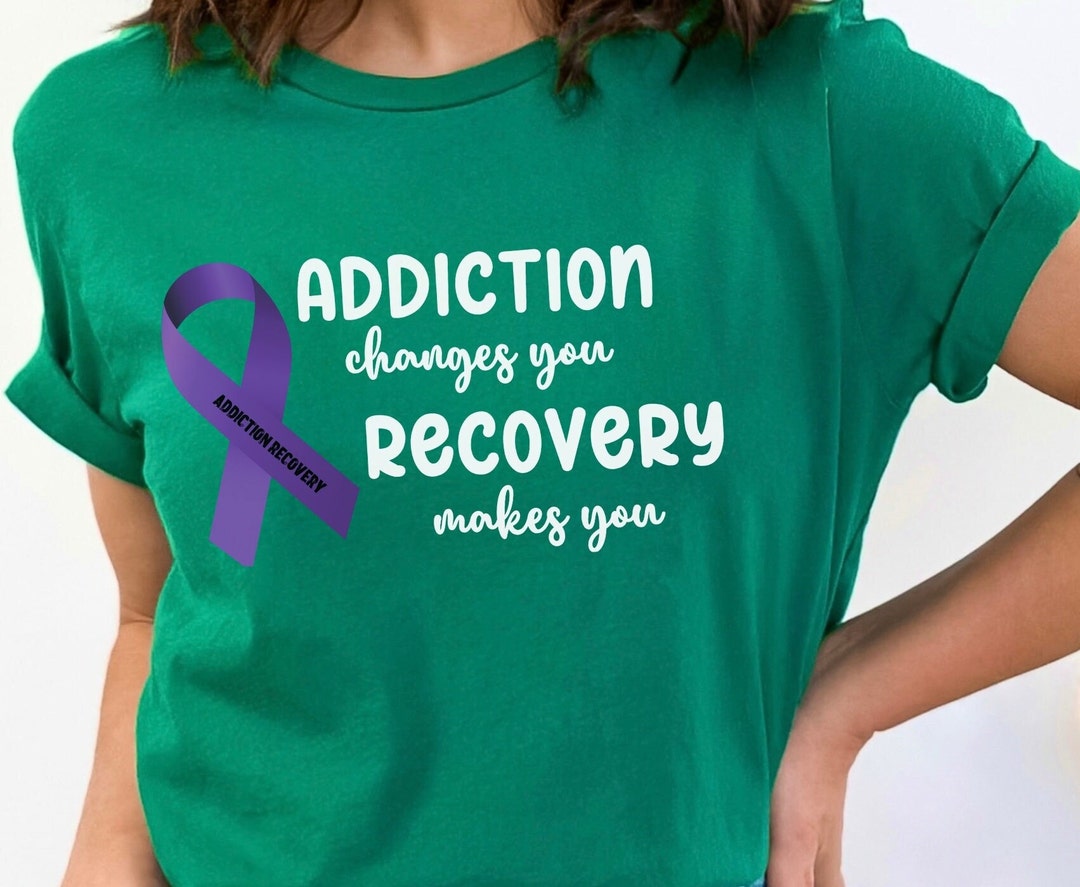
A T-shirt can be more than a piece of clothing. When it carries a meaningful message, it can communicate support, challenge harmful assumptions, and encourage conversations that might otherwise never happen. For people affected by addiction and mental health challenges, this visibility matters. Cause-based apparel gives individuals, families, and community organizations a simple way to show solidarity while reminding others that recovery is possible and everyone deserves understanding.
Addiction stigma remains a significant barrier to seeking help. People may hide their struggles because they fear rejection, judgment, or discrimination. Wearing a message that supports recovery can help change the conversation. Although a custom T-shirt cannot replace professional treatment, it can help create an environment where asking for help feels safer and more accepted.
How Cause-Based Apparel Helps Challenge Addiction Stigma
Stigma often develops from misinformation. Some people mistakenly view addiction as a personal weakness or assume that someone experiencing substance use problems lacks discipline. In reality, addiction is a complex health condition influenced by biological, psychological, and social factors.
Cause-based clothing can help challenge these misconceptions by making supportive messages visible in everyday settings.
Replacing Judgment With Understanding
Messages such as “Recovery Deserves Respect” or “Support Without Judgment” communicate an important idea: people should not be defined by their struggles.
When these messages appear at community events, workplaces, schools, and public gatherings, they can encourage people to reconsider their assumptions. They also show individuals experiencing addiction that they are not alone.
However, language matters. Campaigns should avoid labels that reduce people to a diagnosis or past behaviour. Respectful wording recognizes the person first and acknowledges that recovery is a personal process.
Making Recovery More Visible
Many people associate addiction with negative stereotypes because they rarely see the full picture of recovery. They may not understand the effort involved in seeking treatment, rebuilding relationships, managing triggers, and developing healthier routines.
Cause-based apparel can help make recovery more visible. A shirt supporting addiction awareness can represent encouragement for people at different stages of treatment. It can also recognize the families, professionals, and peer supporters who contribute to recovery.
Visibility should never require someone to disclose personal information. People can support an important cause without sharing their own experiences.
Why Hope and Representation Matter in Addiction Recovery
Hope is an important part of recovery because change often takes time. People may experience setbacks, difficult emotions, and uncertainty as they work toward stability. Positive messages can remind them that their current circumstances do not determine their entire future.
Encouraging People to Ask for Help
Fear of judgment can prevent someone from contacting a treatment provider. They may worry about what others will think or believe that their situation is beyond help.
A supportive message can help reduce that sense of isolation. For example, a T-shirt that says “You Are Worth the Help” can encourage someone to take a first step toward professional support.
The message becomes more meaningful when it connects people with reliable resources. Campaign organizers can include a website address or QR code that leads to information about addiction treatment, mental health services, or local support organizations.
Recognizing Every Stage of Recovery
Recovery does not look the same for everyone. Some people are beginning to recognize a problem, while others are receiving treatment or maintaining long-term recovery. Families may also be learning how to offer support while establishing healthy boundaries.
Cause-based apparel should reflect this range of experiences. Rather than presenting recovery as a single achievement, campaigns can recognize progress, resilience, and the importance of continued care.
This approach helps create a more realistic understanding of addiction recovery. It also reminds people that asking for help is worthwhile at any stage.
Connecting Awareness With Professional Addiction Treatment
Awareness campaigns can open conversations, but meaningful recovery often requires professional support. Addiction may affect physical health, emotional well-being, relationships, employment, and everyday responsibilities. For that reason, treatment should address the needs of the whole person.
Qualified professionals can assess an individual’s circumstances and recommend an appropriate level of care.
Understanding Inpatient Addiction Treatment
Inpatient treatment provides a structured environment for individuals who need intensive support. Depending on the program, services may include medical supervision, individual counselling, group therapy, mental health support, and recovery planning.
This setting can help people focus on treatment while receiving consistent guidance. It may be appropriate for individuals whose clinical needs or living circumstances make a more structured level of care beneficial.
For some substances, withdrawal can involve serious medical risks. Anyone considering stopping alcohol or other drugs should seek advice from a qualified healthcare professional. Medically supervised withdrawal management may be necessary.
Exploring Outpatient Treatment
Outpatient care allows individuals to attend scheduled treatment services while continuing many responsibilities at home, work, or school. Programs may include counselling, group sessions, relapse prevention education, and ongoing clinical support.
This option can help people build recovery skills while remaining connected to their daily lives. However, outpatient treatment is not suitable for every situation. A professional assessment helps determine whether this level of care provides adequate support.
Addressing Mental Health and Addiction Together
Substance use problems can occur alongside depression, anxiety, trauma, and other mental health concerns. When these conditions overlap, treating only one issue may leave important needs unaddressed.
Integrated care considers both mental health and substance use as part of the treatment plan. This can help individuals understand emotional triggers, develop healthier coping strategies, and address factors that may affect their recovery.
The Role of Holistic and Faith-Based Support
Professional treatment can also incorporate approaches that support physical, emotional, social, and spiritual well-being. These services should complement appropriate clinical care rather than replace it.
Building Healthy Daily Habits
Holistic wellness practices can help individuals establish routines that support recovery. Depending on personal needs and available services, these may include:
- Mindfulness and relaxation exercises.
- Regular physical activity.
- Nutrition education and balanced meals.
- Creative activities such as art or journaling.
- Healthy sleep routines.
- Meaningful social connections.
These practices can help people develop constructive ways to manage stress and improve general well-being. Their value comes from being included in a broader, individualized treatment plan.
Respecting Personal Faith and Spiritual Beliefs
For some individuals, faith provides direction, community, and a sense of purpose. Faith-based support may include spiritual counselling, prayer, religious community involvement, or opportunities for personal reflection.
However, spiritual support should respect individual beliefs and choices. It should also work alongside evidence-based treatment when clinical care is needed. Every person deserves an approach that reflects their values without compromising their health or safety.
Designing Custom Apparel That Communicates Respect and Support
The impact of cause-based clothing depends partly on how its message is presented. A thoughtful design can encourage understanding, while careless wording may reinforce the stigma a campaign intends to challenge.
Choose Messages That Empower Rather Than Label
Effective recovery apparel focuses on dignity, encouragement, and connection. Consider messages such as:
- Recovery Is Worth Supporting.
- Mental Health Matters Every Day.
- Choose Understanding Over Judgment.
- Hope Grows With Support.
- Everyone Deserves a Chance to Heal.
These phrases communicate support without making unrealistic promises. They also avoid suggesting that addiction recovery is simply a matter of positive thinking.
Involve People With Lived Experience
People who have experienced addiction or mental health challenges can offer valuable insight when designing awareness campaigns. Their perspectives can help organizations identify language that feels respectful and avoid messages that unintentionally cause harm.
Participation should always be voluntary. No one should feel pressured to share personal stories, photographs, or treatment experiences to promote a campaign.
Make the Message Easy to Understand
A clear design is usually more effective than one crowded with slogans. Choose readable lettering, accessible colour combinations, and a message that communicates its purpose quickly.
Organizations can also use custom apparel to identify volunteers, promote fundraising activities, or create a shared identity during recovery awareness events.
Turning a Simple Shirt Into Meaningful Community Action
The greatest value of cause-based apparel comes when visibility leads to practical support. A campaign can encourage people to learn about addiction, donate to responsible organizations, attend educational events, or help someone find professional care.
For example, a community group could organize a recovery awareness event and provide custom shirts to volunteers. The event might include information about treatment options, presentations from qualified professionals, and details about local mental health resources.
Businesses and schools can also participate by promoting respectful conversations and sharing accurate information. Even small activities can help reduce isolation when they are consistent and connected to reliable support.
If a campaign raises funds, organizers should explain how donations will be used. Transparency helps supporters understand the purpose of their contribution and builds confidence in the initiative.
Conclusion: Wear a Message That Makes a Difference
Cause-based apparel offers a practical way to make addiction recovery and mental health awareness more visible. A thoughtful T-shirt can challenge stereotypes, encourage understanding, and remind people that they deserve support rather than judgment.
Still, awareness must lead to more than words. People affected by addiction need access to appropriate treatment, including inpatient or outpatient care when indicated, mental health services, and individualized support. Holistic wellness practices and faith-based resources may also contribute to recovery when they reflect personal needs and complement professional care.
Every positive conversation can help make it easier for someone to seek assistance. Every respectful message can challenge an outdated assumption. If you or someone you care about is struggling with substance use or mental health concerns, consider reaching out to a qualified healthcare or addiction treatment professional.
Wear your message with purpose, support people without judgment, and help build a community where recovery is recognized, respected, and encouraged.